Hard Water in Pflugerville: What It Does to Your Pipes and Water Heater
By the Pflugerville Pro Plumbing team. Updated 2026.
Hard water is one of the most consistent complaints we hear from Pflugerville homeowners. It's not just an inconvenience with soap scum, it's a real factor in how long your water heater and fixtures actually last.
What Makes Water 'Hard'
Hard water simply means it carries a higher concentration of dissolved calcium and magnesium, picked up as the water moves through the limestone formations common across Central Texas before reaching the tap. Pflugerville homes are served primarily by the City of Pflugerville Water and Wastewater Utility, with parts of the ETJ on Manville Water Supply Corporation, and both draw from sources with meaningful mineral content.
What It Does to Fixtures
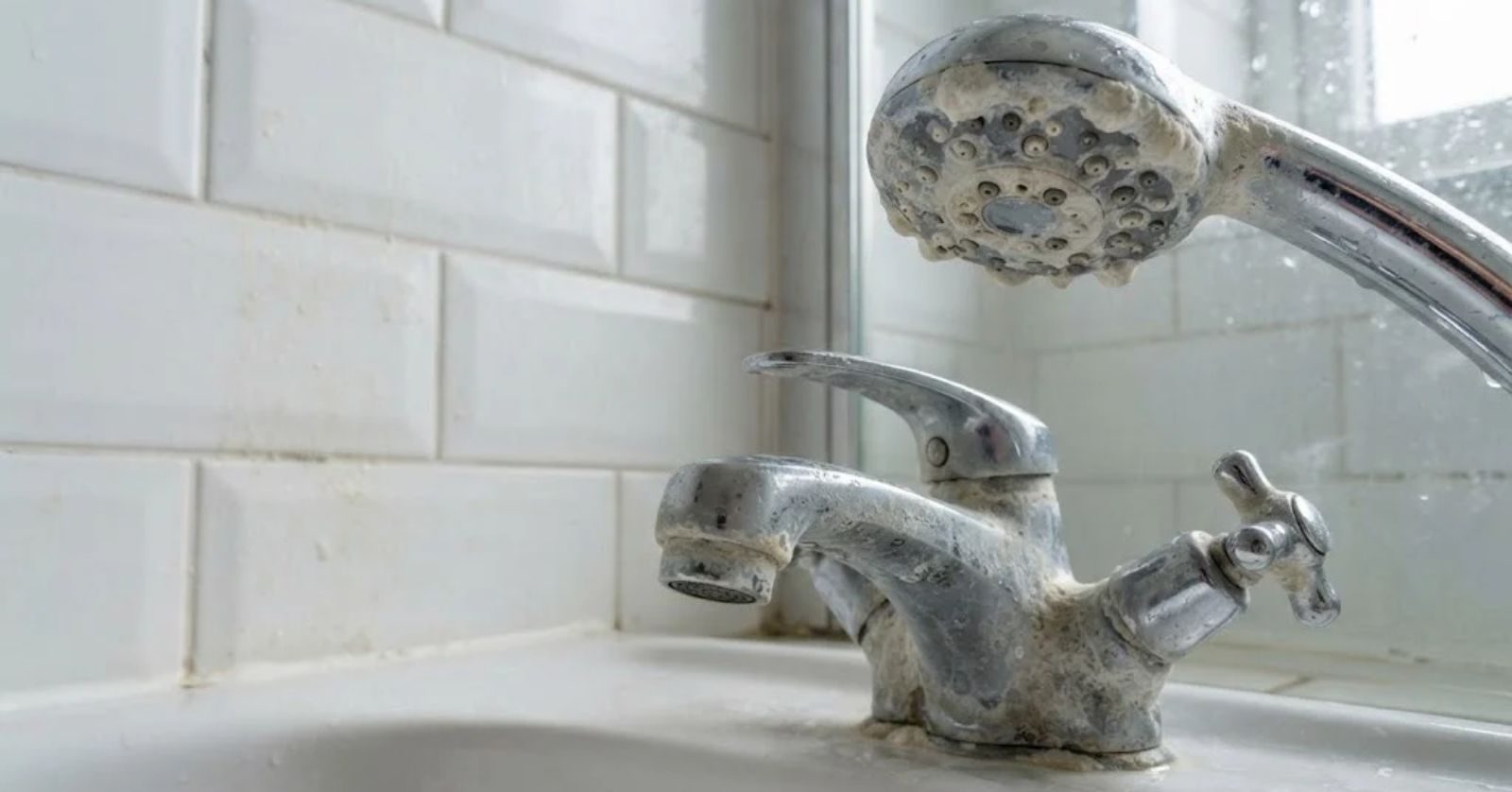
The most visible sign is white, chalky scale buildup around faucet aerators, showerheads, and inside glass shower doors. That same scale forms inside pipes too, though far more slowly, and it's part of why older galvanized supply lines in Pflugerville tend to lose pressure over time even without an active leak.
What It Does to Your Water Heater
This is where hard water costs real money. Mineral scale settles at the bottom of a tank water heater and coats the heating element, both of which force the unit to work harder for the same output. Both are a leading reason water heaters in this area fail years before their rated lifespan. Tankless units are affected too, and more severely per gallon, since the water moves through a much narrower heat exchanger.
What Actually Helps
A whole-house water softener is the most direct fix. It removes the minerals before they ever reach a fixture or appliance. Short of that, periodic water heater flushing slows the damage on an existing unit, and a tankless system specifically benefits from an annual descaling service in a hard water area like this one.
What Hard Water Does Beyond Plumbing
It's not limited to pipes and appliances. Hard water leaves spots on dishes and glassware even after a full dishwasher cycle, reacts with soap to form a film rather than a proper lather, and can leave hair and skin feeling different after a shower. None of these are dangerous, but they're the everyday friction most Pflugerville households eventually get tired of.
Sizing a Softener the Right Way
An undersized softener runs constantly and wears out faster, while an oversized one wastes salt and water on regeneration cycles the household doesn't actually need. Proper sizing comes down to household size and the water's actual measured hardness level, not a generic one-size-fits-all unit.
How Softening Actually Works
A softener uses a resin bed to swap calcium and magnesium ions for sodium ions as water passes through, which is why softened water can taste slightly different to some people. Periodically, the system regenerates by flushing the resin bed with a brine solution, restoring its capacity to keep softening water, which is why a working softener needs a consistent salt supply in its brine tank.
Salt-Free Alternatives
For households that want to avoid sodium in their water or don't want the maintenance of refilling salt, salt-free conditioning systems are an alternative, though they work differently, they alter mineral crystal structure to reduce scale-forming tendency rather than actually removing the minerals. They're generally less effective against very hard water than a true softener, but they're a reasonable option for households with moderate hardness.
Signs It's Time to Service an Existing Softener
A softener that's stopped regenerating properly, water that suddenly feels hard again despite the system running, or a noticeable increase in salt consumption without a clear reason are all signs worth having looked at. Most issues trace back to a valve, timer, or resin bed problem rather than requiring a full system replacement.
A properly sized water softener is usually the most effective fix for hard water at the source. If your water heater is already showing signs of scale-related wear, our water heater repair page covers what a flush and inspection can catch before it becomes a full outage. Households in Wells Branch deal with the same water profile.
Common Questions
Is Pflugerville's hard water unsafe to drink?
No, hardness is a mineral content issue, not a safety issue; it's about scale and appliance wear, not water quality or safety.
How do I know if I actually need a softener?
Visible scale on fixtures, a water heater failing well before its rated lifespan, and soap that won't lather well are all practical signs, on top of the area's generally hard water baseline.
Does a softener affect drinking water taste?
Some people notice a slight taste difference from softened water; a separate drinking-water tap or filter is a common workaround for households that prefer unsoftened water at the kitchen sink.
Can hard water damage a dishwasher or washing machine?
Yes, the same scale buildup that affects a water heater can affect other water-using appliances over time, though usually more slowly.
Is a softener a one-time install or does it need maintenance?
It needs periodic salt refills and occasional resin bed maintenance, but beyond that it largely runs on its own once properly installed.
How much salt does a typical household softener use?
It varies by household size and water hardness, but most residential systems need a bag or two of salt refilled every few weeks to a couple of months.
Are salt-free systems a good fit for Pflugerville's water?
Given how hard the water is here, a true softener generally performs better; a salt-free system is a reasonable choice mainly for households prioritizing low maintenance over maximum scale reduction.
How long does a water softener installation take?
A straightforward installation at an existing main water line access point is typically completed within a few hours.
Does Pflugerville's water hardness vary by neighborhood?
It can vary somewhat depending on which utility serves a given address, but the area as a whole is consistently on the harder end of the scale.
Can I test my own water's hardness at home?
Simple test strips are available and give a rough reading; for a precise number to properly size a softener, a professional assessment is more reliable.
Does boiling water remove hardness minerals?
It can cause some mineral precipitation, which is part of why kettles develop visible scale, but boiling isn't a practical whole-house solution to hard water.
How long does it typically take to notice a difference after installing a softener?
Many households notice softer-feeling water and reduced soap scum within the first week or two; the longer-term benefit to appliance lifespan takes longer to become apparent.
Does a softener need to be sized differently for a home with a pool?
A pool typically fills from the same main line, so overall household demand, including occasional pool filling, is worth factoring into softener sizing if that's a regular occurrence at your home.
Is it worth getting a professional water hardness test rather than a home kit?
A professional test gives a more precise reading for accurately sizing a softener; a home test strip kit is fine for a rough sense of where your water stands.