Why Is My Pflugerville Water Bill So High? Common Causes
By the Pflugerville Pro Plumbing team. Updated 2026.
An unexplained jump in your water bill is one of the most common reasons Pflugerville homeowners call us. In most cases the cause is a leak somewhere in the system rather than a change in usage habits.
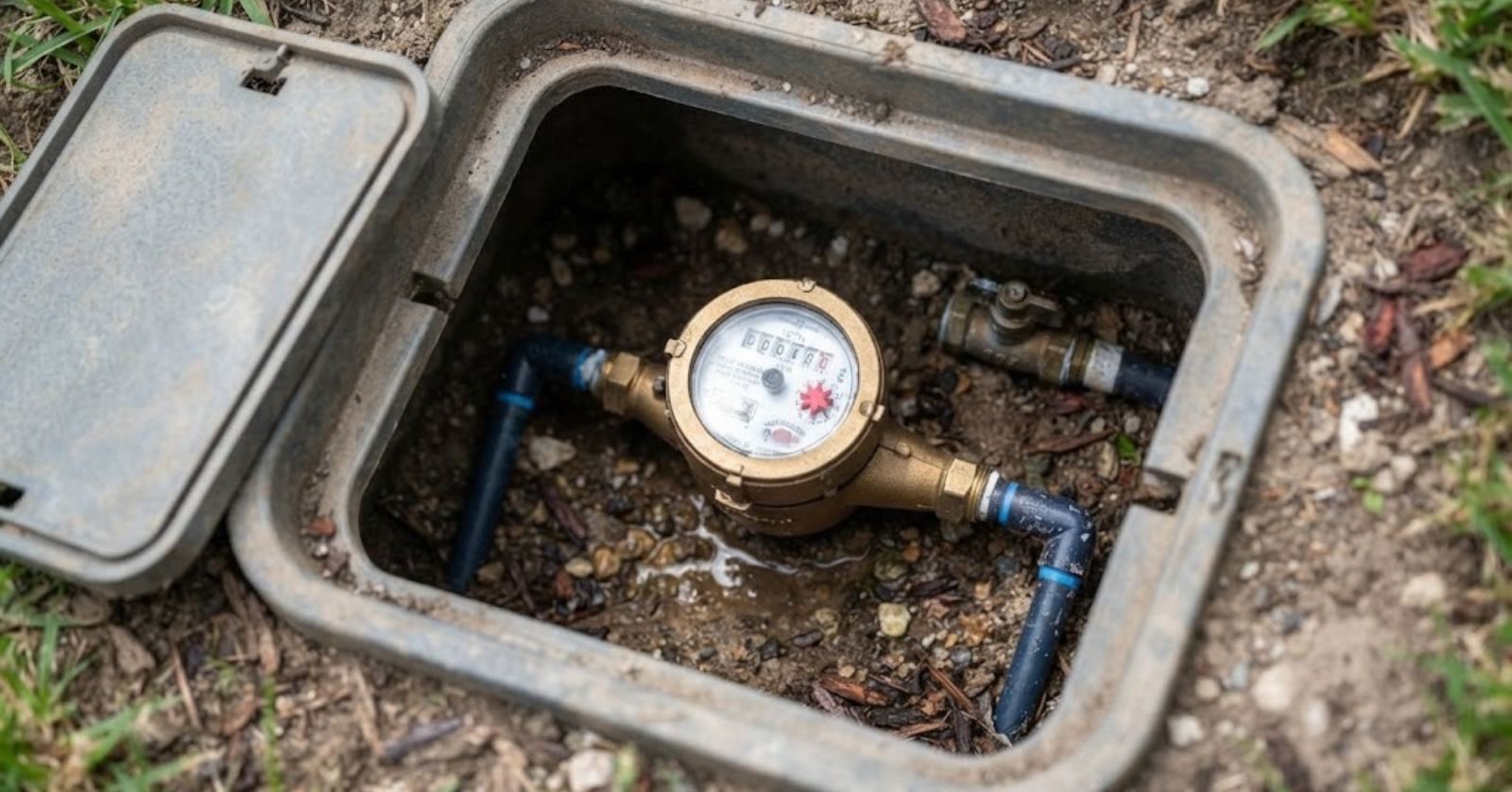
Start With the Water Meter
Before anything else, a simple test tells you whether there's an active leak at all: shut off every fixture and water-using appliance in the house, then check whether the meter is still moving. If it is, water is flowing somewhere, whether you can see it or not.
Most water meters have a small leak indicator, sometimes a triangle or a small dial, that moves even with very slow flow. Watching that indicator for a minute or two with everything off is often more sensitive than trying to watch the main numbers change.
Running Toilets Are the Most Common Culprit
A toilet flapper that isn't sealing fully can waste hundreds of gallons a day without making enough noise to notice. It's worth checking every toilet in the house. A slow leak here is often silent, not the classic running sound most people expect.
Hidden Leaks Under the Slab or Behind Walls
If every toilet checks out and the meter still moves with everything off, the leak is likely inside a wall or under the slab. Pflugerville's expansive clay soil is a real contributor here, since seasonal ground movement stresses supply lines running under the foundation until a joint or a section finally gives way. A warm spot on the floor or a musty smell with no visible source are both signs worth taking seriously.
Irrigation Systems and Outdoor Leaks
A cracked irrigation line or a stuck sprinkler valve can run for days before anyone notices, especially if it's watering an area that's already supposed to be wet. If your bill jumped during a season when your irrigation system runs more, that's worth checking before assuming the problem is inside the house.
Appliance Connections Worth a Look
A washing machine supply hose, a dishwasher line, or a refrigerator's ice maker connection can develop a slow leak that goes unnoticed behind or under the appliance. These are usually easy to check visually and worth ruling out before assuming the leak is somewhere more complicated.
How Utility Billing Adjustments Sometimes Work
Once a leak is confirmed and repaired, it's worth checking with your water provider, whether that's the City of Pflugerville or another utility serving your address, about a high-bill adjustment. Many utilities offer some form of one-time credit for a documented, repaired leak, though the specifics and eligibility vary.
Comparing Your Bill to Past Months
Most water utility bills, including the City of Pflugerville's, show a usage history graph or comparison to the same period last year. That comparison is genuinely useful for telling a real leak apart from a seasonal increase. A spike that's dramatically out of line with the same month in prior years is a stronger signal than a bill that's simply higher than last month during a hot, high-irrigation stretch.
When to Call a Professional Versus Keep Investigating
If the meter test confirms active water flow but you've checked every toilet and visible fixture without finding the source, that's the point to bring in a professional rather than continuing to guess. Extended troubleshooting on your own, especially once a hidden leak is suspected, mostly just delays the fix while the underlying problem continues.
A Real Example of How This Plays Out
A common pattern we see: a homeowner notices a bill roughly double the usual amount, checks the toilets and finds nothing obvious, then calls once the next bill confirms it wasn't a one-time fluke. In many of these cases, the leak turns out to be a slab leak on the hot water side, discovered through acoustic and thermal equipment rather than anything visible from the surface. That's exactly the kind of leak that a DIY check alone won't catch.
Quick Checklist Before You Call
- Check the meter with every fixture off.
- Test each toilet's flapper seal.
- Feel for warm spots on slab flooring.
- Inspect visible irrigation lines and valve boxes.
- Check washing machine, dishwasher, and ice maker connections.
- Compare this month's usage to the same month last year.
- Note the date and amount of the bill spike.
If the meter test confirms an active leak but you can't see it, our leak detection page covers the acoustic and thermal equipment we use to find it. A warm spot on the floor specifically points toward a slab leak, covered in more detail on our slab leak detection and repair page. We run the same diagnostic process for Hutto homeowners.
Common Questions
How much water can a running toilet actually waste?
A continuously running toilet can waste several hundred gallons a day, which is often enough to double a monthly bill on its own.
Can a leak be too small to show up on the meter?
Most leaks large enough to meaningfully affect your bill will register on the meter test; a truly negligible drip may not move the needle much, but it also won't be driving a big bill increase.
Does the city ever cover the cost of a leak-related bill spike?
Some utilities offer a one-time high-bill adjustment for a documented, repaired leak; check with your specific water provider, since policies vary by utility.
How long after fixing a leak will my bill go back to normal?
Usually the very next billing cycle, since the meter reading itself reflects actual usage rather than an estimate.
Is it normal for a water bill to vary seasonally even without a leak?
Yes, irrigation and outdoor watering during warmer months is a real driver of seasonal usage changes, separate from any leak.
Can a neighbor's leak ever show up on my bill?
No, your meter only measures water that passes through your own service line, so a neighbor's issue wouldn't appear on your bill.
Should I be worried if my bill is high just once?
A single unusually high bill is worth a quick check, but it's the pattern over two or more billing cycles that more reliably points to an ongoing leak versus a one-time usage spike.
How quickly should I act once I suspect a leak?
As soon as reasonably possible; a leak that goes unaddressed for another billing cycle simply adds more unnecessary cost on top of whatever repair is eventually needed.
Do apartment or condo residents deal with this differently?
Often yes, since a shared water line and billing structure may mean a unit-level leak doesn't show up the same way on an individual bill; check with your property management about how metering works for your specific situation.
Is a smart water meter worth installing to catch leaks sooner?
For a household that wants earlier leak detection than a monthly bill provides, a smart meter with real-time usage alerts is a reasonable investment worth considering, especially for a larger property with multiple bathrooms and higher overall usage.
Water Bill Spike With No Explanation?
Call and we'll help you find the actual cause.
Call (512) 737-6168