Repair or Repipe? When Aging Pipes Need More Than a Spot Fix
By the Pflugerville Pro Plumbing team. Updated 2026.
Every homeowner with an aging plumbing system eventually asks the same question: is it worth fixing this leak. Should the whole system be replaced? There's a real, practical way to think through that decision rather than guessing.
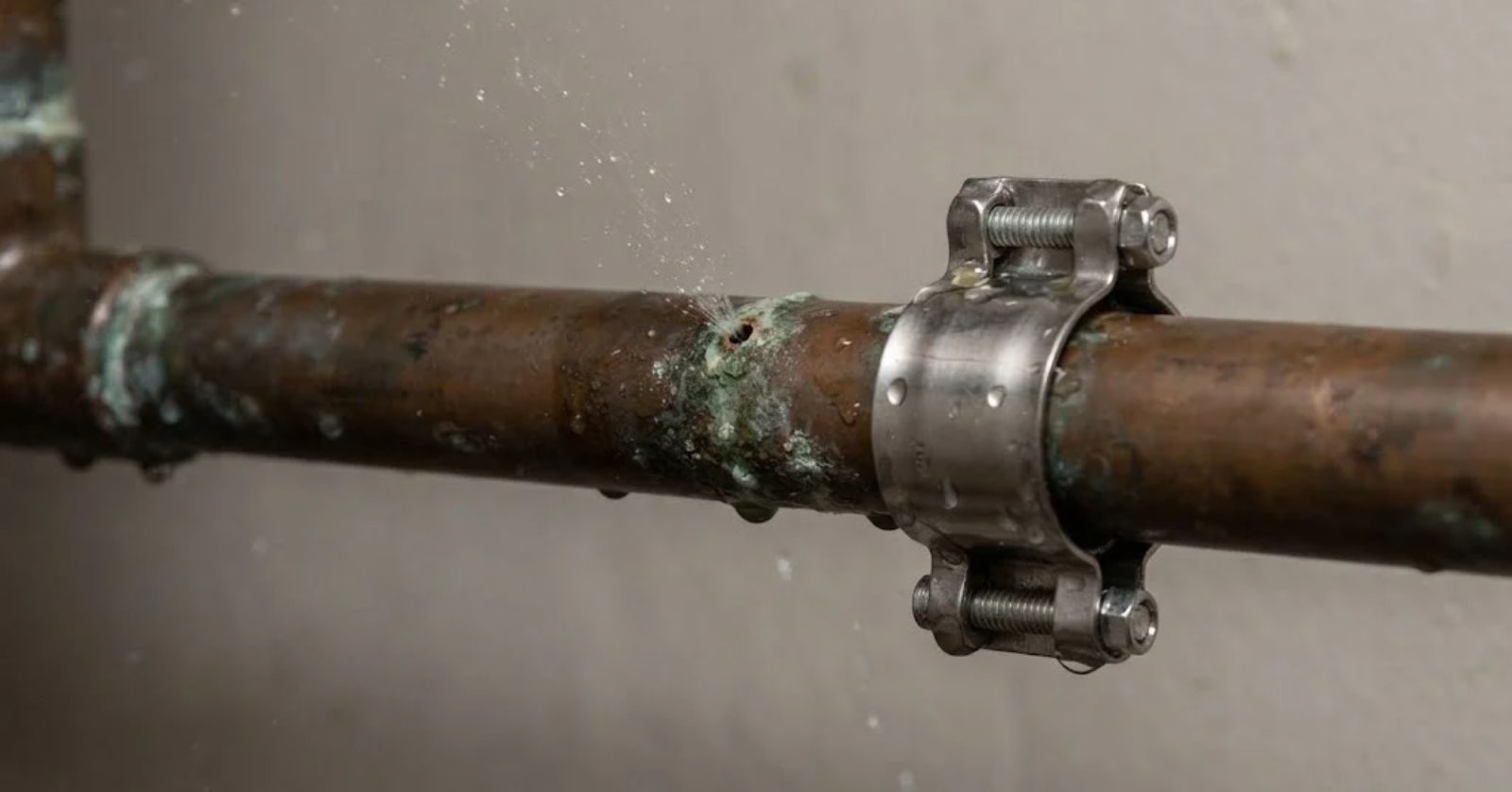
When a Spot Repair Still Makes Sense
A single, isolated leak on a system that's otherwise tested sound, with no history of other failures, is usually a straightforward repair. This is especially true for newer PEX or copper systems, where one failure doesn't necessarily indicate anything about the rest of the system's condition.
When the Pattern Points to a Repipe
A second or third leak within a year or two on the same system is the clearest signal. So is consistently low water pressure throughout the house, discolored water from more than one fixture, or a confirmed polybutylene system, given how that material tends to fail at fittings without much warning.
What a Repipe Actually Involves
For most Pflugerville homes this age, PEX is the practical replacement choice, since it resists both the internal corrosion that affects galvanized pipe and the fitting failures associated with polybutylene. Depending on the home's layout, much of the new line can run through the attic and existing wall chases, which limits how much drywall needs to be opened up compared to what people often expect.
Weighing the Cost Over Time
Individual spot repairs are each cheaper than a repipe in isolation. On a system that's already failed more than once, those costs add up, and each new leak carries its own risk of water damage on top of the repair bill itself. A repipe is a larger upfront cost that generally pays for itself in avoided emergency calls on a system that's clearly past the point of isolated failures.
What a Whole-House Assessment Actually Looks At
We check pipe material at several access points around the home, test water pressure at multiple fixtures, and review whatever leak history you can tell us about. That combination gives a much clearer picture than any single data point, since low pressure alone or one past leak alone doesn't necessarily mean the whole system is failing.
Living Through a Repipe
A common concern is how disruptive the process will be. For most homes, water is shut off in sections rather than the whole house at once when practical, and a typical single-family repipe is completed in a matter of days rather than weeks. We walk through the plan and the timeline with you before any work starts, so there are no surprises partway through.
What Happens to Fixtures During a Repipe
In most cases, existing fixtures, faucets, showerheads, and toilets, are reconnected to the new supply lines rather than replaced outright, which keeps costs focused on the pipe itself rather than a full bathroom or kitchen renovation. If a fixture is already failing or you'd like to upgrade while the walls are open, that's an option to discuss, but it's not a requirement of the repipe itself.
Getting a Second Opinion
If another plumber has recommended a repipe and you want a second opinion before committing to that cost, we're glad to do an independent assessment. Sometimes the recommendation holds up, and sometimes the situation turns out to be more isolated than initially presented, either way, you'll get a straight answer based on what we actually find.
Financing and Timing Considerations
A repipe is a significant expense. It's reasonable to want to plan for it rather than treat it as a forced emergency purchase. If your system is showing early warning signs but hasn't failed catastrophically yet, that's actually the best window to plan the project on your own timeline, budget for it properly, and avoid the premium that comes with true emergency scheduling.
What We Look for During Every Visit on an Older System
Even for a call that isn't specifically about a repipe decision, if we're already at a Pflugerville home from this era for an unrelated repair, we'll take note. We'll mention anything relevant we see about the broader system's condition directly, rather than staying silent, so you're never blindsided by a recommendation that comes out of nowhere.
Repair vs. Repipe at a Glance
Continued Repairs
- Lower cost per individual fix.
- Right for a single isolated failure.
- Doesn't address system-wide corrosion.
- Risk compounds with each new leak.
Whole-Home Repipe
- Addresses the underlying material issue directly.
- Right for a system with multiple failures.
- Fewer future emergency calls.
- Higher upfront cost, better long-term value.
If this sounds like where your home is at, our repiping and whole-home pipe replacement page covers the assessment process and what to expect. If you're not sure yet whether it's one leak or a pattern, our leak detection page covers how we confirm the actual scope first. We make the same assessment for homes in North Austin.
Common Questions
How do I know if my whole system is affected, or just one section?
A whole-house assessment, checking pipe material and pressure at multiple points and reviewing leak history, is the reliable way to tell rather than guessing from one data point.
Can I repipe just the worst-affected part of the house?
Yes, a partial repipe is an option when the rest of the system tests sound, rather than defaulting to a full whole-home replacement.
Does a repipe increase home value?
It's generally viewed favorably by buyers and inspectors, since it removes a known liability, though we'd frame it as a practical maintenance decision first rather than a resale strategy.
Will I be without water during the entire repipe?
No, water is typically shut off only to the section actively being worked on, not the whole house for the full duration of the project.
How soon after one leak should I consider an assessment?
If it's the first leak your system has ever had, there's no urgency; if it's the second within a year or two, that's a reasonable point to have the whole system looked at.
Will my existing fixtures need to be replaced during a repipe?
Usually not; most fixtures are simply reconnected to the new supply lines unless you specifically want to upgrade them while the work is being done.
Is it normal to get a second opinion before a repipe?
Yes, given the scope of the project, a second assessment is a reasonable step, and we're happy to provide an independent evaluation either way.
Is it better to plan a repipe proactively or wait for a failure?
Planning it proactively, on your own schedule and budget, is generally preferable to being forced into emergency scheduling after a failure, especially once a system is already showing early warning signs.
Does a repipe typically require permits?
Yes, in most jurisdictions a repipe requires a permit and inspection, which we handle as part of the project rather than leaving it for the homeowner to arrange separately.
Can a repipe be done in stages to spread out the cost?
Yes, a phased approach targeting the highest-risk sections first is a reasonable way to manage cost, though it does mean more than one project rather than a single completed job.
Had More Than One Leak Recently?
Call for a whole-house assessment and an honest recommendation.
Call (512) 737-6168