Sewer Line Root Intrusion: Warning Signs Pflugerville Homeowners Should Know
By the Pflugerville Pro Plumbing team. Updated 2026.
Tree root intrusion is one of the more common reasons for a recurring sewer line backup in Pflugerville's established neighborhoods, particularly where mature trees sit close to the line running from the house to the street connection.
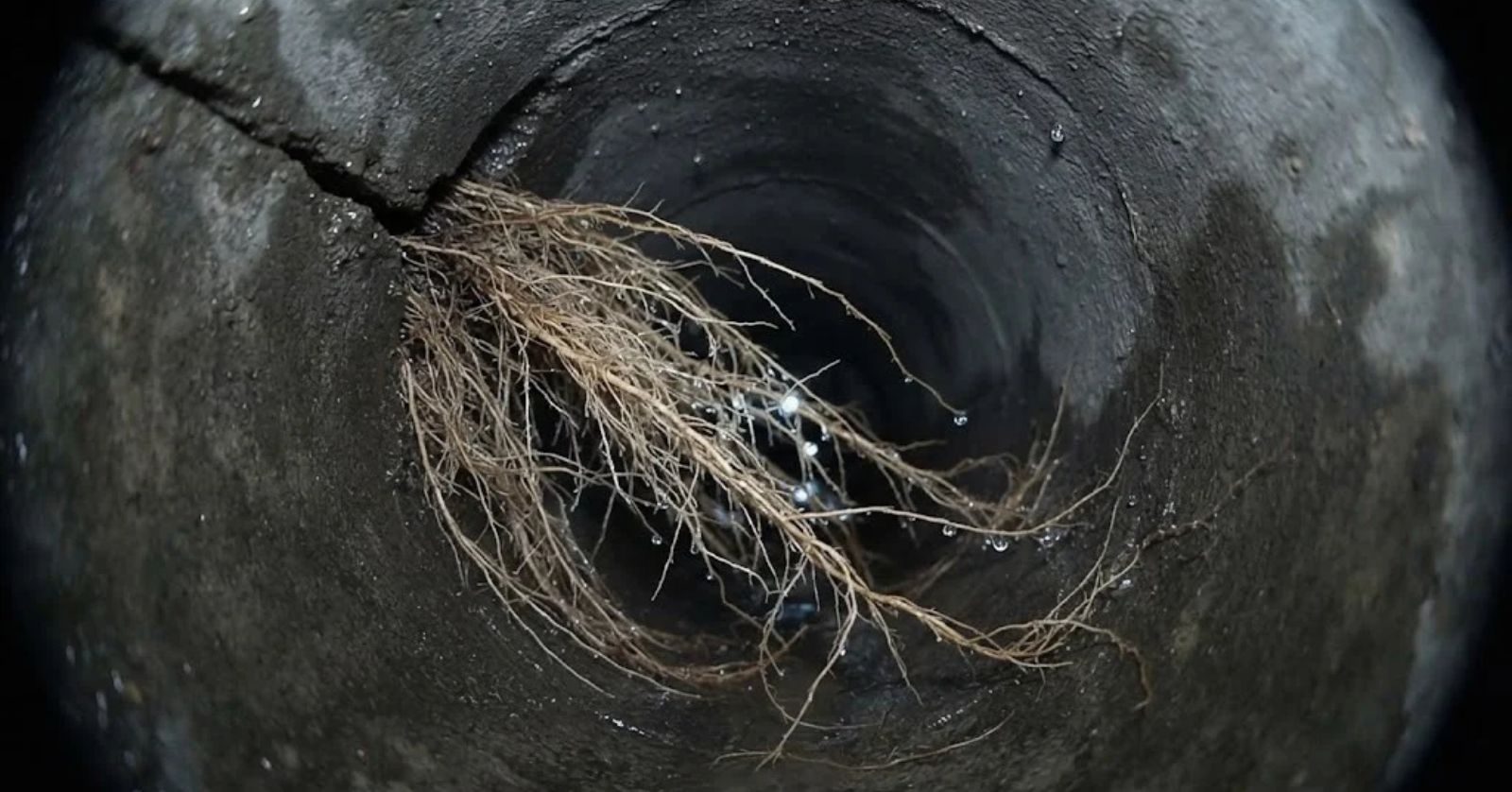
How Roots Actually Get Into a Pipe
Roots don't typically crack solid, intact pipe on their own. They grow toward the moisture and nutrients around an existing small crack, gap, or offset joint, then widen that opening as they continue growing, eventually forming enough mass to restrict or fully block the flow.
Early Warning Signs
A slow drain that gradually gets worse over weeks rather than clogging all at once is a common early pattern. Gurgling sounds from the lowest drain in the house, often a basement floor drain or ground-floor toilet, when you run the washing machine or another fixture is another. A backup that clears temporarily after snaking but returns within a month or two is one of the strongest indicators.
Signs It's Progressed Further
A consistently soggy or unusually green patch of yard tracing the line's path, a sewage smell near an outdoor cleanout, or multiple drains backing up at once, especially the lowest one in the house, are all signs worth taking seriously. Together they suggest the problem has advanced beyond a minor root intrusion into a more significant blockage or a cracked section.
Why a Camera Inspection Matters Here
Root intrusion and a genuinely collapsed or offset pipe section can produce similar symptoms from the inside. They need different fixes. A sewer camera inspection shows exactly what's happening along the line's length, which determines whether hydro jetting alone will resolve it or whether the underlying crack needs to be repaired to prevent the roots from simply growing back.
Which Pflugerville Areas See This Most
Older, more established neighborhoods with mature trees tend to see more root intrusion calls than newer developments simply because the trees have had decades to develop extensive root systems near existing sewer lines. That doesn't mean newer neighborhoods are immune, especially as their own landscaping matures over time, but the pattern is real.
Repair Options Once Roots Are Confirmed
For roots entering through a small crack or gap, hydro jetting clears the immediate blockage and the crack itself can often be repaired with a trenchless method, limiting yard disruption. For a more extensively damaged section, a longer stretch of pipe may need to be replaced outright, which the camera inspection will make clear before any work begins.
How Trenchless Repair Works
Rather than digging a full trench the length of the damaged section, a trenchless method pulls a new liner or pipe through the path of the old one via small access points at each end. It's not viable for every situation, but where the line's condition and layout allow it, it significantly reduces yard disruption compared to traditional excavation.
What Happens If You Ignore Recurring Backups
Repeated snaking without addressing the underlying root intrusion tends to become a cycle. The roots regrow through the same opening, the blockage returns, and the cycle repeats, often at increasing cost over time as the crack widens further and the roots strengthen. Addressing the actual crack, rather than just the symptom, breaks that cycle.
What a Sewer Camera Inspection Actually Shows Us
The camera feed lets us see the interior pipe wall in real time. Root masses, cracks, offset joints, and any collapsed sections. It also gives an accurate depth and distance reading so we know exactly where along the line's path the problem sits.
That precision is what makes a trenchless repair option possible in the first place, since it lets us target a small access point rather than guessing at a location and digging blind.
If these signs sound familiar, our sewer line repair page covers how we diagnose and fix root intrusion with a camera inspection first. For roots that haven't yet cracked the pipe, hydro jetting alone is often enough to clear the line. We see the same pattern in older tree-lined streets around Wells Branch.
Common Questions
Which trees are most likely to cause this problem?
Fast-growing species with aggressive root systems, like certain oaks and elms, are more often involved, though any mature tree near a sewer line's path is a candidate.
Can I prevent root intrusion without removing trees?
Root barriers installed between a tree and the sewer line can help for new plantings; for an existing mature tree, periodic camera inspections to catch intrusion early are a more practical approach.
Does hydro jetting get rid of roots permanently?
It clears the immediate blockage effectively, but if roots are entering through a crack or gap, that opening typically still needs to be repaired, or the roots will eventually grow back through the same spot.
How often should an older home's sewer line be inspected?
If you've had one backup already, a camera inspection is worth doing before it becomes a repeat problem; without any history of issues, there's no fixed schedule that applies to every home.
Is root intrusion covered by homeowners insurance?
Typically not, since it's considered a gradual, maintenance-related issue rather than sudden damage, though a specific sewer line endorsement on your policy may offer some coverage; check your policy language.
Is trenchless repair always possible?
No, it depends on the pipe's depth, material, and the extent of the damage; the camera inspection determines whether it's a viable option for your specific situation.
How much yard disruption does a traditional sewer repair involve?
It depends on the depth and length of the affected section, but a full trench excavation is more disruptive than a trenchless repair, which is why we assess trenchless eligibility first whenever possible.
Can I watch the camera inspection footage myself?
Yes, we can walk you through what the camera is showing in real time, or provide the footage afterward, so you can see exactly what we found rather than taking it on faith.
Does the city or county ever share responsibility for sewer line repairs?
Typically the homeowner is responsible for the line from the house to the property line or street connection; the portion beyond that is usually the municipality's responsibility, though this can vary by jurisdiction.
Can a sewer camera find issues beyond root intrusion?
Yes, the same inspection identifies collapsed sections, grease buildup, offset joints, and bellied pipe, which is why it's a useful diagnostic tool beyond just confirming roots.
How far into the line can a camera inspection actually see?
Modern equipment can typically travel the full length of a residential line to the street connection, giving a complete picture rather than just the first several feet.
Is a sewer line inspection worth doing before buying a home with mature trees nearby?
Yes, it's a reasonable precaution for any home purchase where established trees sit near the likely sewer line path, since root intrusion can be present without any visible symptoms yet showing up.
How long does a typical camera inspection take?
Most residential sewer camera inspections are completed within an hour, giving you a clear picture of the line's condition in a single visit.