What Causes a Slab Leak in Pflugerville's Clay Soil?
By the Pflugerville Pro Plumbing team. Updated 2026.
A slab leak, a leak in the water line running under your home's concrete foundation, is one of the more disruptive plumbing problems a Pflugerville homeowner can face, and the area's soil is a genuine, documented contributor.
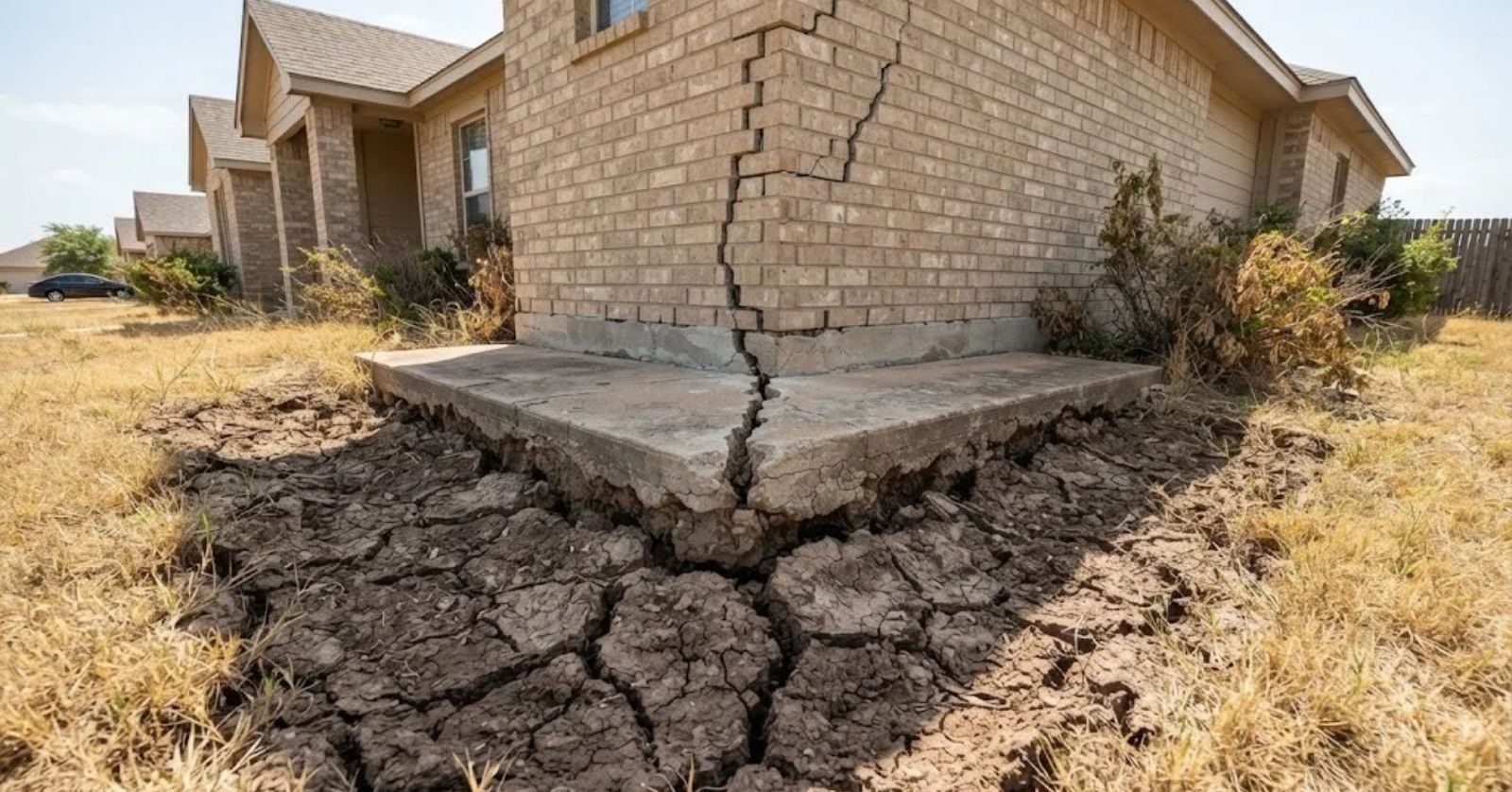
Why Clay Soil Causes This
Expansive clay soil expands when it absorbs moisture and contracts as it dries out. Central Texas, Pflugerville included, sits on a lot of it. That repeated swelling and shrinking puts real mechanical stress on rigid pipe running underneath a slab, and over years of seasonal cycles, a joint or a weak section can crack or separate.
Other Contributing Factors
Soil movement isn't the only cause. Pipe corrosion in older galvanized systems can weaken a section from the inside until soil stress is what finally causes it to fail. Abrasion where a pipe rubs against gravel or the slab itself during minor shifting is another contributor. It happens slowly enough that there's usually no single dramatic event, just gradual wear.
Recognizing a Slab Leak Early
A warm patch on the floor, most often over a hot water line leak, is one of the clearest signs. A rising water bill with no explained change in usage is another. Less obvious signs include the sound of running water with every fixture off, a musty smell with no visible source, and in more advanced cases, visible cracking in tile or flooring where water pressure has built up underneath.
Why Early Detection Matters
Left alone, a slab leak keeps releasing water into the soil and slab area under your home, which can eventually affect flooring, subflooring, and in extended cases the foundation itself. Catching it early, before it's visible, generally means a smaller, more contained repair.
Hot Water Lines Fail More Often Than Cold
In our experience, the majority of slab leaks we find are on the hot water side rather than the cold. The constant temperature cycling a hot water line goes through, heating up and cooling down repeatedly, adds an extra layer of stress on top of the soil movement itself. That's part of why thermal imaging is such an effective tool for narrowing down a suspected leak's location.
Repair Options Once a Leak Is Confirmed
Depending on where the leak sits, a direct access repair, cutting into the slab at the exact confirmed point, is sometimes the fastest option. In other cases, particularly when the leak sits under a load-bearing wall or in a hard-to-reach spot, re-routing a new line through the attic or an accessible wall path avoids the slab entirely and permanently isolates the original problem section.
What Flooring Restoration Involves
If a direct access repair is the chosen route, the flooring over the repair point needs to be restored afterward, tile, hardwood, or carpet, matched as closely as possible to the surrounding area. This is factored into the project scope from the start so there are no surprises about what's included and what isn't.
Preventing Future Slab Leaks
There's no way to fully prevent clay soil movement. Consistent, even watering around the foundation, rather than heavy watering concentrated in one spot, helps moderate the swelling and shrinking that drives the underlying stress. Beyond that, periodic leak detection checks, especially once a home passes the 15 to 20 year mark, can catch a developing issue before it becomes a full slab leak.
How This Differs From a Foundation Problem
A slab leak and a foundation issue can share some warning signs, like cracks in flooring, but they're distinct problems requiring different specialists. A plumber diagnoses and repairs the leak itself. If the water intrusion has been significant and prolonged enough to actually affect the foundation's structural integrity, that's a separate assessment for a foundation specialist, though this is the less common outcome when a leak is caught at a reasonable point.
Why We Take Every Warm-Spot Call Seriously
Not every warm spot turns out to be a slab leak, sometimes it's simply a sunny patch of floor or a spot near an HVAC vent. But given how much a real slab leak can cost in delayed damage if it's dismissed, we treat every reported warm spot as worth a proper thermal imaging check rather than guessing over the phone.
If any of these signs sound familiar, our slab leak detection and repair page covers exactly how we confirm and locate a leak like this before any concrete gets disturbed. For a leak that doesn't clearly point to the slab yet, our broader leak detection page covers the full diagnostic process. We see this same soil-driven pattern in Round Rock.
Common Questions
Do all slab leaks eventually become visible?
Not always on their own within a reasonable timeframe; a water bill spike is often the first real signal, well before any visible sign appears on the floor.
Can a slab leak be fixed without breaking up the floor?
Sometimes, a re-route through the attic or an accessible wall path can bypass the damaged section entirely, avoiding the slab. It depends on the home's layout and where the leak sits.
Are newer Pflugerville homes at risk too, or just older ones?
Yes, clay soil movement affects newer construction as much as older homes; pipe age matters less here than the soil conditions themselves.
How long does slab leak detection typically take?
Locating the leak with acoustic and thermal equipment is usually completed in one visit; the repair itself is scheduled separately once the location is confirmed.
Can landscaping or irrigation near the foundation make this worse?
Heavy, uneven watering right next to a foundation can add to the same soil-movement stress that causes slab leaks in the first place, so consistent, even watering is generally better than heavy watering in just one spot.
Does a slab leak always mean foundation damage?
Not necessarily; caught early, a slab leak is usually a contained plumbing repair, though a leak left unaddressed for a long time can eventually contribute to foundation issues.
Is a re-route more expensive than a direct repair?
It depends on the specific situation; a re-route avoids slab and flooring restoration costs but involves more overall pipe length, so the two approaches can end up comparable depending on the home.
What if the warm spot turns out to be nothing?
That happens sometimes, and it's a good outcome, a quick, honest check that rules out a slab leak is worth far more peace of mind than leaving it unchecked.
Can a slab leak affect more than one room?
Yes, water under the slab can travel some distance before finding its way up, so the warm spot or visible sign doesn't always sit directly above the actual leak point.
Does slab leak risk decrease as a home gets older?
Not necessarily; the underlying clay soil movement continues throughout a home's life, so risk doesn't meaningfully drop with age the way it might for some other maintenance issues.
Can foundation watering systems help prevent slab leaks?
A properly designed foundation watering system, keeping moisture levels consistent around the perimeter, can help reduce the soil movement that contributes to slab leaks over time.