What to Do Before a Plumber Arrives for a Water Damage Emergency
By the Pflugerville Pro Plumbing team. Updated 2026.
The first few minutes of a water damage emergency matter more than almost anything that happens afterward. Water spreads through flooring and drywall continuously until the source is stopped.
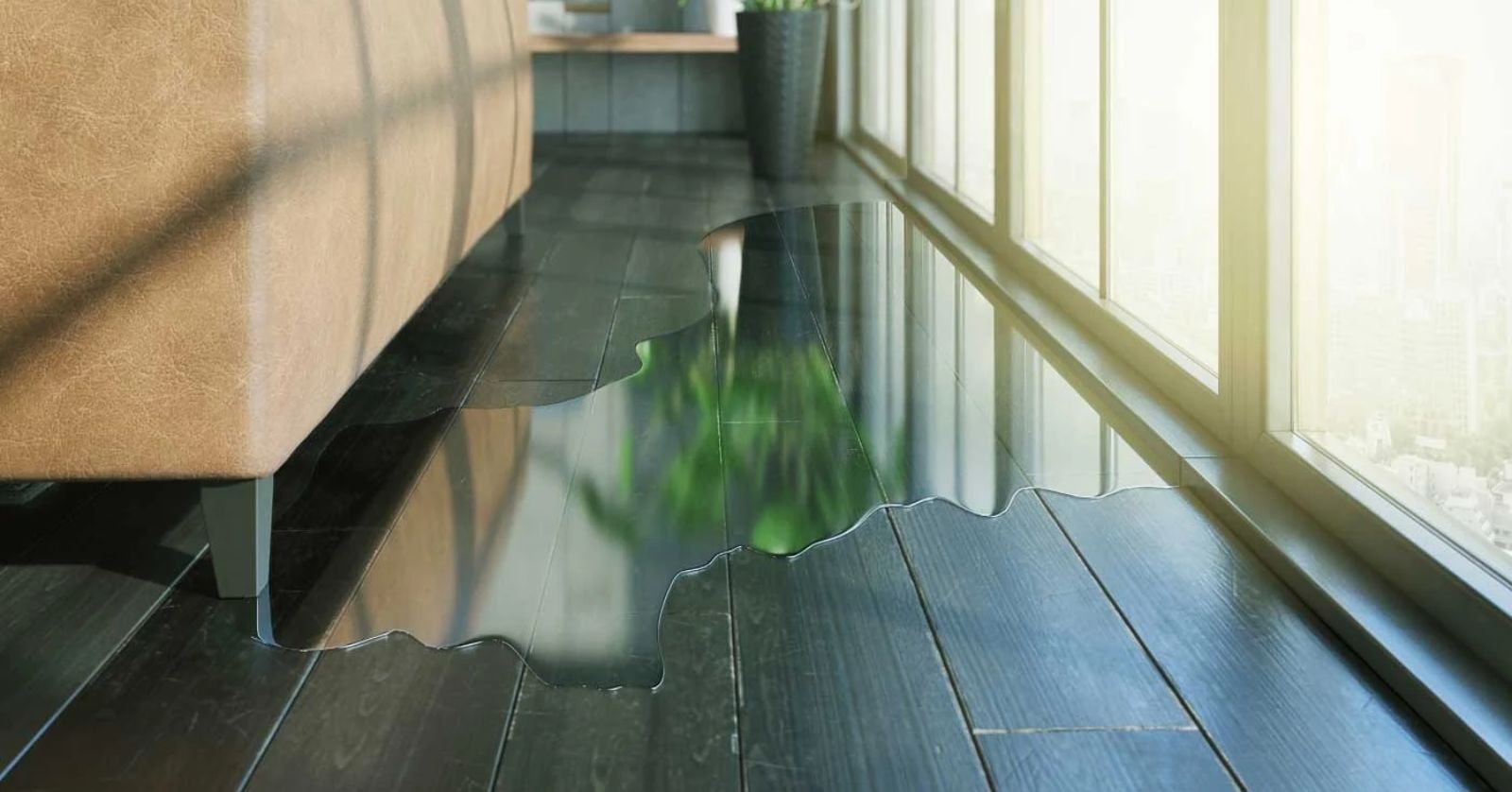
Stop the Source First
If you can safely reach it, shut off the main water valve, or the specific fixture's shutoff if the source is isolated to one fixture, like a washing machine hose or a water heater connection. Stopping new water from entering matters more in the first few minutes than beginning any cleanup.
Prioritize Safety Over Belongings
Avoid contact with standing water near electrical outlets, panels, or any plugged-in appliances. If water is actively near an electrical panel or the situation feels unsafe, wait outside the affected area rather than trying to move through it.
Limit the Spread Where You Safely Can
Moving furniture and rugs out of standing water, if it's safe and quick to do, limits how much gets saturated before help arrives. Towels or old linens can help contain a small, contained puddle from spreading further, though this isn't worth delaying the more important steps above.
Document for Insurance Before Cleanup Starts
A few phone photos of the standing water and affected areas, taken before anything is moved or dried, are genuinely useful if you end up filing an insurance claim. It takes thirty seconds and can matter later.
What Not to Do
Avoid running a household vacuum, even a wet/dry shop vac, near any electrical hazard, and don't attempt to move heavy, saturated furniture alone if it risks injury. Don't turn on ceiling fixtures or fans in a room where water has reached the ceiling, since that can indicate saturation around electrical wiring above.
What Happens When We Arrive
Our first priority on arrival is the same as yours should have been: confirming the water source is controlled. Assessing the affected area with moisture meters to understand how far the water has actually traveled, not just what's visible. From there we outline the extraction and drying plan and, separately, coordinate on the underlying plumbing repair if that's what caused the event.
How Long Restoration Typically Takes
Once the source is stopped, extraction of standing water happens immediately, but the structural drying phase, using industrial air movers and dehumidifiers, typically runs three to five days depending on how much moisture the affected materials absorbed. Moisture readings are taken periodically throughout to confirm materials have actually dried through, not just appear dry on the surface.
Working With Your Insurance Company
We document the extent of the damage as part of the restoration process, which supports whatever claim you file. It's worth contacting your insurance company as early as possible after a significant water event, since most policies have specific requirements about timely reporting and mitigation steps taken to limit further damage.
What to Keep and What to Let Go
Porous materials that have been saturated for an extended period, carpet padding, particleboard furniture, drywall, are often not salvageable and are safer to replace than to try to dry and keep. Solid wood furniture and non-porous items generally have a much better chance of full recovery. When in doubt during the initial chaos, moving an item out of the water is worth doing regardless of whether it ultimately gets kept or replaced.
After the Immediate Emergency: What Comes Next
Once the source is stopped and extraction is complete, the drying phase begins, followed by an assessment of what needs repair or replacement versus what dried successfully in place. We walk through that assessment with you directly rather than making unilateral decisions about your belongings or home.
First Steps in a Water Emergency
- Shut off the main water valve or the affected fixture's shutoff.
- Avoid standing water near outlets or electrical panels.
- Move valuables out of standing water if it's safe to do so.
- Take a few photos for insurance documentation.
- Avoid running fans or fixtures in ceiling-saturated rooms.
- Contact your insurance company promptly.
- Call our emergency line.
Once the immediate emergency is under control, our water damage restoration page covers the drying and repair process that follows. For an active, ongoing water event specifically, our water mitigation team responds to stop the source and begin extraction immediately. We respond to the same emergencies for Manor homeowners.
Common Questions
Should I start drying things myself before the plumber arrives?
Basic steps like moving items out of standing water are fine; full drying and moisture verification is better left to a professional process once the source is stopped.
Is it safe to stay in the house during a water emergency?
In most cases yes, as long as you avoid contact with standing water near anything electrical; if there's any doubt about electrical safety, wait in an unaffected area.
What's the difference between mitigation and restoration?
Mitigation is the immediate response to stop and contain active water; restoration is the drying and repair work that follows once the source is controlled.
How quickly does mold become a concern after water damage?
Mold growth can begin within 24 to 48 hours in the right conditions, which is part of why a fast response genuinely matters, not just for the immediate mess.
Will my homeowners insurance cover this?
Sudden events like a burst pipe are often covered; a slow leak that went undetected for a while is more likely to be excluded, depending on your specific policy.
How soon should I contact my insurance company after water damage?
As soon as reasonably possible; most policies have timely-reporting expectations, and prompt documentation supports a smoother claims process.
Will restoration remove all traces of the water event?
The goal is a fully dry, structurally sound space; any materials that absorbed too much water to dry safely are removed and replaced as part of the process rather than left in place.
Can furniture that got wet usually be saved?
Solid wood and non-porous furniture often can be; items like particleboard furniture or heavily saturated upholstery are less likely to fully recover and are usually more practical to replace.
Do I need to move out of the house during restoration?
For most residential water events, no; drying equipment runs in the affected area while the rest of the home remains usable, though a severely affected area may need to stay off-limits temporarily.
How do I know when it's actually safe to move back into a dried room?
Once moisture readings confirm materials have dried through, not just appear dry, and any necessary repairs are complete, the space is generally safe to use normally again.
Should I photograph damaged belongings individually for insurance?
Yes, individual photos of significant damaged items, in addition to overall area photos, give your insurer clearer documentation to work from during the claims process.
What if the water damage is from a source outside my control, like a neighboring unit?
Documentation and prompt reporting matter just as much in that situation; your insurer can help sort out responsibility, but the immediate mitigation steps are the same regardless of the source.