How Often Should You Flush Your Water Heater in a Hard Water Area?
By the Pflugerville Pro Plumbing team. Updated 2026.
Flushing a water heater tank clears out the sediment that naturally settles at the bottom over time. In a hard water area like Pflugerville, that sediment builds up faster than most manufacturer guidelines assume.
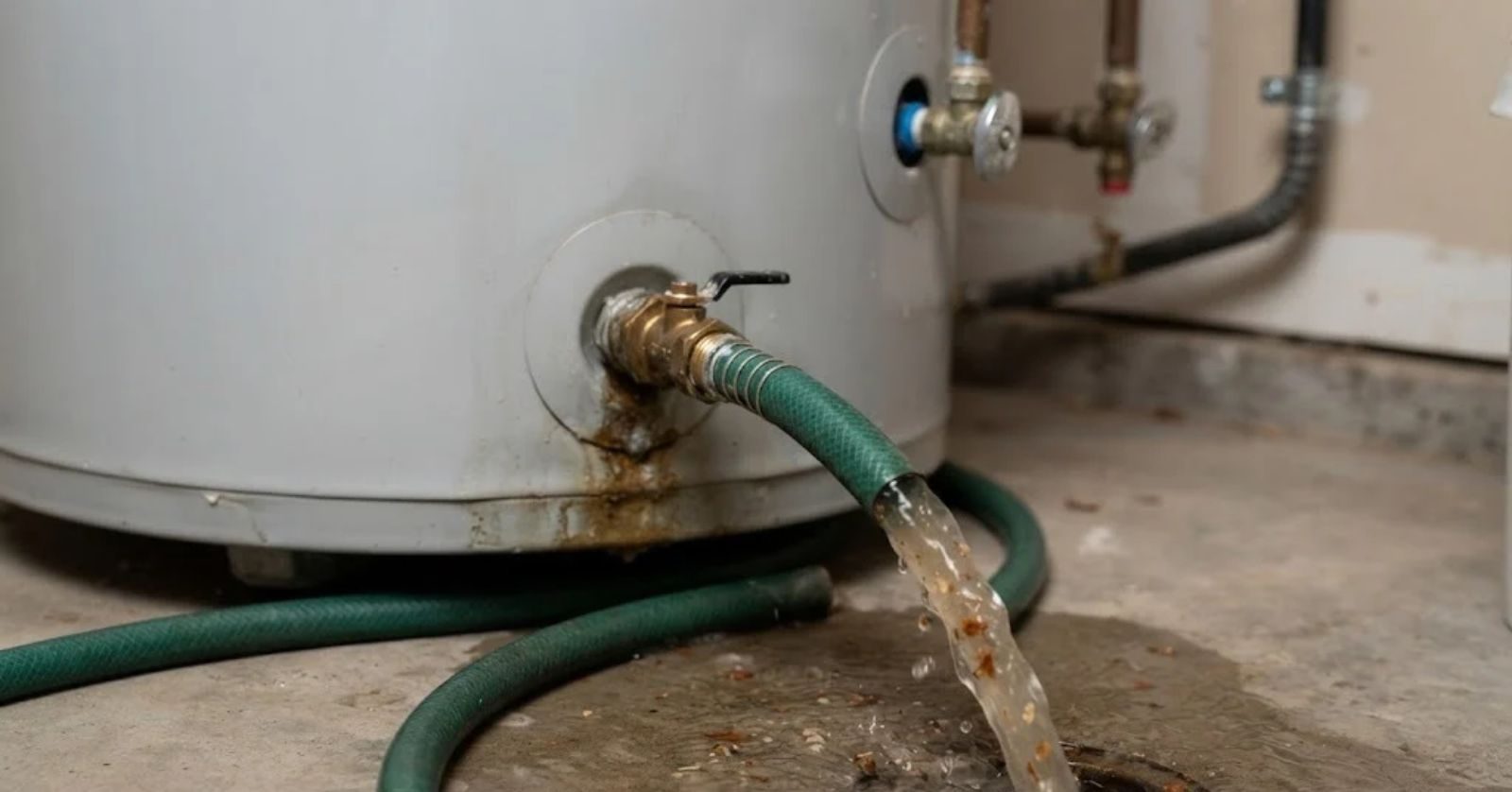
What Flushing Actually Does
A flush drains the tank fully, clearing out mineral sediment that's settled at the bottom. That sediment layer acts as insulation between the heating element or burner and the water itself, which forces the unit to run longer and harder to reach the same temperature. It's also the source of the popping or rumbling sound some older tanks make during a heating cycle.
A Realistic Schedule for This Area
Manufacturer guidelines often suggest annual flushing as a general baseline. That's a reasonable starting point here. Households without a water softener, given the area's hard water, may see benefits from flushing every six to twelve months, especially in the first few years of a new unit's life when sediment accumulation is often fastest.
Signs Your Tank Is Overdue
A popping or rumbling sound during heating cycles, a noticeable drop in how long your hot water lasts, or water that looks slightly discolored right after the tap is turned on are all signs sediment has built up significantly. None of these mean the tank has failed, but they're a sign a flush is worth scheduling.
Does a Softener Change the Schedule?
Yes, meaningfully. A water softener installed ahead of the water heater removes most of the minerals before they ever reach the tank, which significantly slows sediment buildup and can stretch a reasonable flushing interval out considerably compared to an unsoftened system.
What Happens If You Never Flush It
Sediment doesn't stop accumulating just because it's ignored. Over years, a thick layer can form at the bottom of the tank, insulating the burner or element so severely that efficiency drops noticeably and, in more extreme cases, contributing to premature tank failure as the sediment traps heat against the tank's metal lining.
What a Professional Flush Involves
We connect a hose to the tank's drain valve, shut off the cold water inlet and, for gas units, the gas supply, and fully drain the tank while flushing with fresh water until it runs clear. For a tank that's never been flushed, we check the drain valve carefully first, since an old, corroded valve can sometimes fail during its first use in years, which is why this isn't always a straightforward DIY job on an older, neglected unit.
How Sediment Buildup Affects Energy Bills
A heavily sedimented tank doesn't just run louder and lose capacity, it also uses more energy to reach the same water temperature, since the sediment layer insulates the burner or element from the water itself. Over the life of a water heater, that inefficiency adds up on the utility bill in a way that's easy to overlook since it happens so gradually.
Combining a Flush With a Broader Inspection
A flush visit is also a practical time to check the anode rod, the sacrificial metal rod inside the tank that protects it from corrosion, and to inspect for any early signs of tank wear. Catching a failing anode rod early is a relatively small fix compared to what happens once the tank itself starts corroding without that protection.
Setting Up a Reminder System
Because flushing is easy to forget between visible problems, it's worth setting a recurring reminder, whether that's a calendar note or simply tying it to another seasonal task like changing HVAC filters. A consistent schedule matters more than the exact interval you choose, since the whole point is avoiding years of unchecked sediment buildup rather than hitting an exact number of months.
If your tank is already showing signs of trouble beyond simple sediment buildup, our water heater repair page covers how we diagnose the specific cause. And since a water softener is the most effective way to slow sediment buildup at the source, it's worth considering alongside a flushing schedule. We service the same units for Manor households.
Common Questions
Can I flush my water heater myself?
It's possible for a comfortable DIYer, though a stuck or corroded drain valve is a common complication on an older tank that's never been flushed, which is when it's worth calling a professional instead.
Will flushing fix a water heater that's already showing performance problems?
It often helps with sediment-related performance loss, but if a specific component like a heating element or thermocouple has failed, flushing alone won't fix that; a full inspection sorts out which is which.
Does tankless need the same kind of flushing?
No, tankless units need a different process called descaling, using a pump and mild acidic solution circulated through the heat exchanger rather than a simple tank drain.
Is it too late to start flushing an older water heater that's never had one?
It's still worth doing; even a first flush on an older unit typically restores some lost efficiency, though very heavy sediment buildup may only partially clear on the first pass.
Does flushing extend a water heater's overall lifespan?
Generally yes, since reducing sediment buildup reduces the strain on the heating element or burner, which is a meaningful factor in how long the unit ultimately lasts.
What is an anode rod and why does it matter?
It's a sacrificial metal rod inside the tank that corrodes in place of the tank's steel lining; once it's fully depleted, the tank itself becomes vulnerable to corrosion, so checking and replacing it periodically is a worthwhile maintenance step.
How can I tell if my water heater's efficiency has already dropped from sediment?
A noticeably longer wait for hot water, a shorter hot water supply than the unit used to provide, or a rising energy bill with no other explanation are all practical signs worth checking.
Can I bundle a flush with another service call to save a visit?
Yes, if we're already on-site for another plumbing issue, a water heater flush and quick inspection can often be added to the same visit.
Does the size of my water heater affect how often it needs flushing?
Not dramatically; a larger tank holds more sediment before problems become noticeable, but the underlying hardness-driven buildup rate is the same regardless of tank size.
Is a rumbling water heater dangerous?
It's not typically an immediate safety concern, but it does signal reduced efficiency and added strain on the unit, and it's worth addressing sooner rather than later.
Can flushing be done while the water heater is still hot?
The tank is drained after shutting off the heat source, and the water itself is still hot during the process, so care is taken throughout, which is part of why this is a job best left to a professional on an unfamiliar or older unit.
Does the City of Pflugerville's water quality vary throughout the year?
Mineral content can shift somewhat seasonally depending on source water conditions, though it stays consistently on the harder end of the range throughout the year.
Water Heater Making Noise or Losing Performance?
Call to schedule a flush and inspection.
Call (512) 737-6168